POPULAR PRODUCTS

Use this item to pay for shipping, returns, or similar expenses. Add as many items to your cart as the total cost, and pay using your preferred method.
€0

BrightSign Content Cloud, Software for signage networks. With Brightsign Content Cloud, you easily manage content and files for large digital signage networks. Update content and firmware, schedule presentations, divide players…
€148

Waist, Transmitter belt for waist. Transmitter belt for waist. URSA straps are made of a 1 mm thin stretch material that breathes and sits comfortably. The Velcro attaches anywhere on…
€40
Delivery: Normal Delivery Time 10-14 days
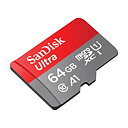
SANDISK MicroSDXC Mobile Ultra 64GB 120MB/s UHS-I AdaptCompatible with BrightSign Series 3 and 4Compatible with Waves System†Up to 120 MB/s read speed (16-32GB has 98 MB/s)A1, app performance class 1C10…
€44
Delivery: In Stock

Waist, Transmitter belt for waist. Transmitter belt for waist. URSA straps are made of a 1 mm thin stretch material that breathes and sits comfortably. The Velcro attaches anywhere on…
€40
Delivery: In Stock

Double-sided adhesive tape circles with 24mm diameter for Soft circles, Plush circles, Fur circles, concealers and more. Allergy tested for use directly on the skin. Pack of 90 pcs.
€19
Delivery: In Stock
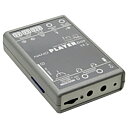
NanoPlayer Box, MP3 player for SD/SDHC cards. NanoPlayer Box plays music and messages in WAV or MP3 file format. Control takes place with contact closing. Programmed playback depends on how…
€298
Delivery: Normal Delivery Time 10-14 days
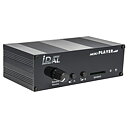
Micro Player MkIII, MP3 Player for SD/SDHC cards. MicroPlayer MkIII plays music and messages in WAV or MP3 file format. IR remote control is available for transport commands and volume.…
€343
Delivery: In Stock

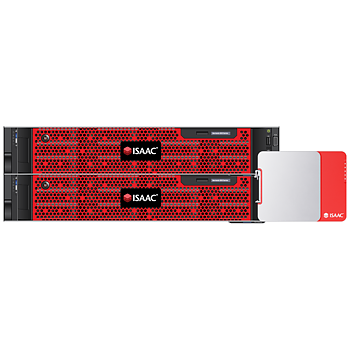
ISAAC Workspace
One place for everything you need to monitor and control your AV systems - right in your browser.

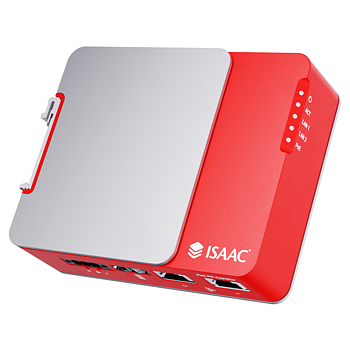
ISAAC from Smart Monkeys is a hardware platform designed to manage modern, cross-technology AV systems by providing a unified solution for system access, monitoring, scheduling, and content management
Problems ISAAC solves
Difficult system access: It can be complicated for users to manage different computers for configuration and operation.
Poor monitoring: Users in one subsystem (e.g. audio) often do not see errors in another (e.g. video).
Rigid scheduling: The need for flexibility for end users to change how the system runs.
Complex content management: Non-technical staff need to be able to update content easily.
Disjointed user experience: ISAAC creates a so-called "Single Pane of Glass" experience that brings all systems together in one interface.
Main features of ISAAC Workspace
ISAAC acts as a layer on top of the control system and offers the following tools:
System Access: Includes ISAAC Connect for clientless remote access to machines and robust rights management to secure the system.
Monitoring: Logs every change, sends alerts based on criticality, and visualizes system health through customizable maps.
Scheduling: A drag-and-drop interface to schedule events and playlists with support for advanced repetition and sun-based scheduling.
Content Management: Tools to upload and manage media, create compositions and playlists.
Virtualization: Ability to run Windows and Linux applications in virtual machines (VMs), saving rack space and power and simplifying maintenance via snapshots.
Product ranges:
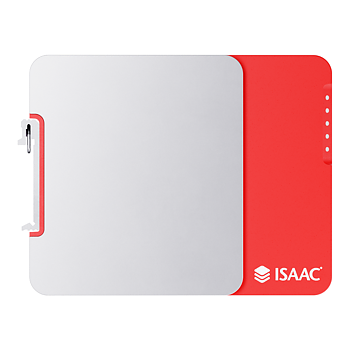
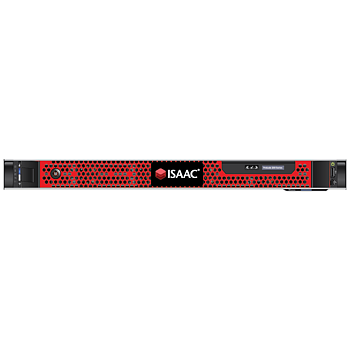
Foundation: A compact and cost-effective platform for installations that do not require extensive virtualization or storage.Prelude: An enterprise-class standalone server that enables hardware consolidation by running multiple operating systems and applications simultaneously.
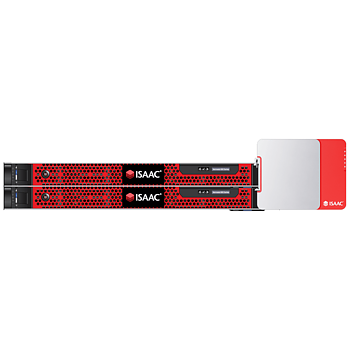
Nemesis: Designed for large-scale systems (e.g. amusement parks) with the highest uptime requirements. It offers redundancy through a dual-server configuration and automatic failover.
Products
4 articles